UGC ad examples for your next creator brief
Look at how the creator shows the product and explains it. Use these examples to plan the shots and direction for your own creator brief.
Compare introductions, demonstrations and reactions
Compare skincare, household cleaning, food and lip-product references. The silent previews are selected snippets. The notes distinguish those moments from the separately reviewed retained sequences.
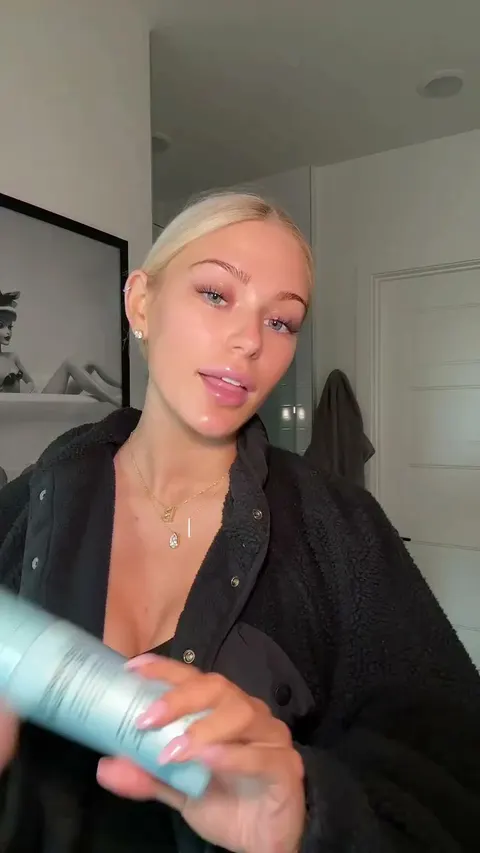
Use camera distance to identify the product
INNBeauty brings the product toward the camera while keeping the person in the shot. In this 6-second snippet, the camera distance is the useful idea to take into your own brief.
Try this: Ask the creator to bring the product toward the camera with the label facing the viewer. Give them approved product facts, then leave room for their own delivery.
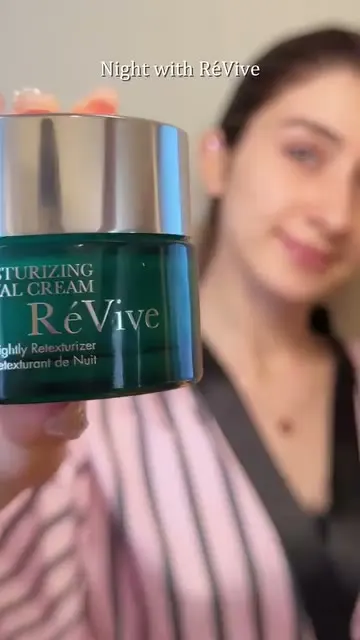
Change distance for a specific reason
This 6-second ReVive snippet switches between a product close-up and a wider shot beside the person. Notice what each distance lets you see.
Try this: Ask for a clear product close-up and a wider view. Tell the creator what needs to be readable in each.
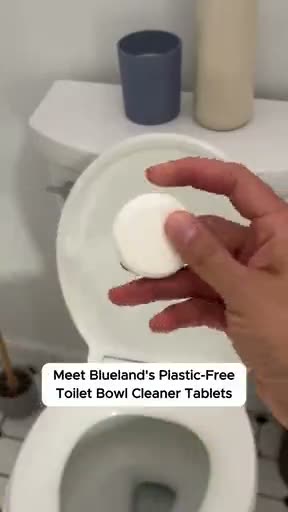
Give the creator a task to demonstrate
Blueland shows someone holding the tablet, then using it: dropping it in, letting it fizz, brushing and flushing. The demo gives the creator something to do beyond holding the product.
What to notice: The bathroom setting gives the demo context.
Product: The product is shown being used, from the tablet going in to brushing and flushing.
Next step: Closing text invites an upgrade with Blueland.
Try this: For the hand-wash brief below, film each refill step clearly. Follow your product’s instructions and use its own approved claims.
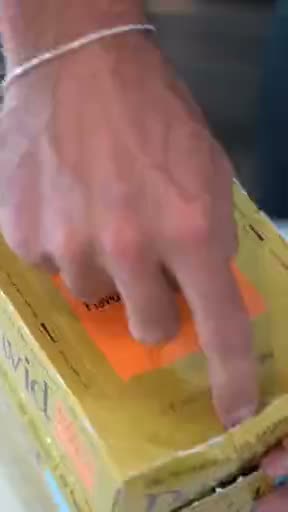
Separate unpacking from personal reaction
David shows boxes, an opened carton, the wrapper and the bar before a person tastes and holds it. A creator brief can ask for those separate views without prescribing an invented verdict.
What to notice: Stacked boxes start the sequence.
Product: You see the product being opened, what it looks like inside and someone tasting it.
Try this: Ask a creator to show the actual product and describe only a real experience. Leave an honest reaction open rather than scripting approval.
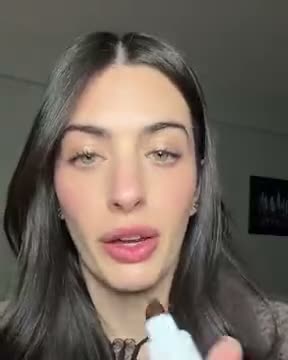
Keep the demonstrator connected to the action
Westman Atelier goes from the person to a closer view of the lip application and finish, then back to the product in hand. The change in distance lets you follow the application.
What to notice: The person and brand are prominent before the application.
Product: Product, lips and finish are shown at different distances.
Try this: Move closer when people need to see the application. Film what the creator actually does and let them describe their real experience.
Use the refill brief below to decide what your creator needs to film. These examples show different approaches. We haven’t ranked them by performance.
UGC content for ads needs more direction than “make it feel natural.” Compare product introductions, hands-on demonstrations and product reactions, then use the brief and script to specify what your creator should show.
Write a camera action your creator can follow
‘Make it authentic’ leaves the useful choices unstated. ‘Hold the label toward the camera, show the closure opening, then keep the refill action in view’ tells the creator what the viewer needs to understand. The creator can still deliver the words naturally.
Review the picture and the spoken line separately. Meta’s mobile-first creative guidance recommends making the story understandable without depending on sound. A silent review can reveal a hidden mechanism or unreadable label. It cannot establish whether a spoken claim is accurate.
Try it in your next brief
For your next brief, write 3 columns: what the viewer sees, what the creator says and what the product owner must confirm. Put each line beside its shot. Mark any personal-experience statement for the actual speaker to verify before it becomes a testimonial.
Further reading: Meta’s mobile-first creative guidance
Brief what the creator must show
Be specific about what the creator needs to film. Ask for a product close-up, a full demo or separate unpacking and reaction shots. These references give you different ways to explain that request.
Leave the experience truthful
Give the creator the product facts and steps they need to show. Let them describe an experience only if it’s theirs. If they haven’t used the product, ask for a demonstration without scripting a customer review.
Carry the references into the refill assignment
In the hand-wash example, show the product first, then move closer for the refill. Film the whole process so the editor has every step. Try 2 openings with the same demo and close to compare the introduction.
Review the whole delivery
Review the finished video with its final script and clean takes. Check the product steps, labels, disclosure and agreed usage. Then use your own test to find out whether either opening made the process clearer.
From a framing observation to a complete original plan
A proposed 20-second edit for the refillable hand-wash assignment. It is original instructional work, not the speech, CTA or complete sequence from either skincare snippet. Assume a bottle that opens at the neck and accepts a refill. Verify that mechanism before filming.
Hook · 0–3 seconds
Opening A: hands bring the bottle close, with its closure visible. Proposed words: “Ready for a refill?”
Opening B: person holds the bottle beside their face, then brings the label into view. Proposed words: “Let me show you how this refill works.”
Body · 3–15 seconds
Use the same demonstration in both edits: open the neck, keep the opening in view while adding the matching refill, then replace the closure. Capture the actual safe process in one readable take.
Proposed words: “Open it. Add the matching refill. Close it.” These words depend on verified product instructions. Change the action and script together if the assumption fails.
CTA · 15–20 seconds
Hold the closed bottle with a readable label and destination. Proposed words: “See the refill instructions and product details.”
The destination must match this exact product and process. There is no claimed offer, customer quote, benefit or advertiser result.
Choose one opening per edit. Hold the body and close constant to compare opening choices. These are planning durations. Set final timing after reviewing the real demonstration and delivery.
Separate the format from the relationship
- Genuine customer content
- A real customer shares their own experience. Verify the source and obtain the required permission before reusing it in an ad. An organic post is not an automatic paid-usage license.
- Commissioned creator advertising
- A creator produces content for a brand under an agreement. It can resemble an informal customer video. Confirm the relationship, agreed usage and disclosure instead of describing every casual-looking ad as an unpaid recommendation.
- AI-generated lookalikes
- A synthetic person or voice can imitate the same format. Appearance alone does not verify identity, a real experience or how the asset was made. Do not turn a synthetic performance into a claimed customer testimonial.
For U.S. endorsements, the FTC’s disclosure guide explains material relationships, visible disclosure and truthful experience claims. Check the rules for your actual market and placement before release.
For the references above, creator identity, payment, usage permission and production method are not verified. “Creator-style” describes the visible format only.
What is UGC content when you are planning an ad?
UGC means user-generated content. For ad research, separate content a customer created from content a brand commissioned. A UGC creator can produce a paid assignment without being a customer or publishing it to their own audience. A performer can present a script without giving a personal testimonial. The casual visual style alone cannot establish any of those relationships.
- Choose the job before choosing the person: explain a process, show a product detail or share a real experience. A demonstration needs usable coverage. A testimonial also needs a verified speaker and statement.
- Write the creator brief with the product facts, opening alternatives, shared demonstration, spoken and on-screen lines, required exports and review owner. Confirm the relationship and agreed usage separately.
- Review the complete proposed video before approving it. The 2 skincare snippets help you compare framing. They do not establish the full script, creator identity or performance across brands.
What user-generated content means in marketing
User-generated content is material people make, such as a product photo, a review or a video showing how they use something. In marketing, the important question is who made it and why. A customer’s own post, a commissioned creator video and a paid influencer post can look similar while involving different relationships and permissions.
We use creator-style to describe the references on this page because we have not verified that the people shown are unpaid customers. UGC marketing can include customer submissions as well as work commissioned for advertising. Record the relationship for each item instead of using a casual filming style as proof of authenticity. A creator can demonstrate a product without being asked to pretend to be a customer.
Choose the job before collecting UGC content
Start with the customer question you need to answer. If people cannot see how a refill works, commission a clear demonstration. If you need to understand customers’ experiences, ask for their actual feedback and keep it separate from a scripted ad. If you need photos for a product page, specify the product, use situation and permission needed for that destination.
For this brief, the question is whether someone can follow the refill process. The requested output is a complete handling sequence, a readable product view and an accurate close. We are not asking for a positive review, a before-and-after claim or a particular personal story. Those choices belong in the brief before the creator films.
Build a UGC marketing plan from source to review
Give each piece a source, a production owner and an intended use. For existing customer content, record the original post and verify who can grant permission. For commissioned work, agree the deliverables, revisions, usage and disclosure before production. Then check the actual file against the brief rather than accepting it only because the camera style feels informal.
Keep a simple record: source or creator, customer or commissioned relationship, product question, required shots, supported words, permitted destinations, usage period and review owner. The same video may need different permission for a product page and a paid ad. Passing a creative review does not establish that you have that permission. Keep the agreement with the file so a later editor can check it.
How to plan a UGC video people can follow
A UGC video needs a sequence the viewer can understand. Decide what the opening identifies, what the body demonstrates and where the close leads. In the Blueland reference, the handling steps give the person something to show. INNBeauty and ReVive are useful for discussing camera distance. Their short silent snippets do not provide verified speech or a complete script to copy.
For the product video, film the real product opening, each verified refill step and the finished bottle. Get a wide enough view to follow the process and a close view of any detail that would otherwise be hidden. Write proposed words after checking the product instructions. Rehearse the action before fixing a duration. A quick edit should not hide a step the customer needs to understand.
An original UGC video review: what would you ask to change?
Imagine the creator sends a practice cut that shows the bottle beside their face, jumps to a filled bottle and ends with a shopping line. It identifies the product, but the refill step is missing. Ask for the missing action and a close view of the opening. Do not ask for a more enthusiastic reaction to solve a demonstration problem.
Now imagine the second cut shows every step but adds a claim that the product saves money. Check whether the brand has support for that statement. If it does not, remove the claim and keep the demonstrable action. Record the requested change and approved version. These are review examples, not defects found in the advertiser references.
Review UGC marketing without inventing results
Review the product view, truthful words, source permission, required disclosure and destination before considering performance. Once the work runs, keep the creative version and dates beside the actual measurement. A customer review count, an ad’s age or a person holding a product cannot establish sales, targeting or a return on spend.
For an opening comparison, keep the demonstration, close and destination shared if the opening is the question. Record the outcome you will observe and what would make the test inconclusive. If you change the creator, offer and opening together, describe the comparison honestly. You cannot attribute the difference to the hook alone. We have not run a campaign for this practice brief.
Make your own UGC marketing and video plan
Start with our completed practice notes, then replace them with your product, source and production decisions. The original creator brief and script below remain separate working examples.
Write your own observations and production assignment. These notes stay in this tab. Refreshing removes your edits. Copy or download a file to keep them. We do not send these notes to a service.
The notes can be read and selected without JavaScript. Enable it to keep edits in this tab and use the copy and download buttons.
Completed creator brief: explain a refill
We wrote this sample brief for a hand-wash product. Use it as a starting point for your own product.
- Who it's for
- Brief for a hand-wash product. Help someone considering a refill understand how to open and use it. This is our example audience, not the reference advertisers' targeting.
- What we're showing
- Show the refill process clearly, from opening the product to the finished bottle. Check the steps with the product owner before filming. This exercise doesn't supply skin, environmental or savings claims.
- References
- Use INNBeauty and ReVive to discuss how close the product needs to be. Use Blueland for the steps, David for unpacking and Westman Atelier for application detail. Take the shot idea into your own sink setting with your own product and footage.
- Creator direction
- Let the creator explain it in their own words. If they haven't used the product, ask for a demo rather than a customer review. Get clear views of the label, opening, refill and finished bottle.
- Shots and versions
- Film 2 openings: show the refill action first, or introduce the product beside the person. Keep the demo and close the same. Get a clean product close-up and room tone. Use music only if you have permission.
- What to deliver
- Deliver 2 vertical edits, the clean takes and a caption transcript. Agree the format and duration first. Before release, check the product steps, words, readable details and required disclosure.
- Usage and permission
- Agree where the content can run, for how long and in which countries. Include editing, likeness, music and any permission to advertise through the creator's account. A competitor ad is a reference, not a license to use its assets.
- What we're testing
- Compare showing the refill action first with introducing the product beside the person. Does one make the process easier to follow? Keep that as the question for your test. There are no results yet.
Worked script adaptation: change the opening
Try either opening with the same refill demonstration and close. Write the words for your own product, then rehearse the actual process to work out the timing.
Opening A: action first
Visual: Close-up of the product being opened at a sink.
Proposed words: Here’s how I refill this bottle.
Before filming: Use this line only if the creator performs the refill. Show the required paid-relationship disclosure clearly and check its form for the placement and market.
Opening B: person and product
Visual: Person holds the approved product beside their face, then brings the label into view.
Proposed words: Let me show you how this refill works.
Before filming: Use this instead of opening A in a separate edit. A and B are alternatives, not consecutive shots or the advertiser's original script.
Shared demonstration
Visual: Show the real opening, refill and closure according to the verified instructions. Keep hands and the relevant mechanism in frame.
Proposed words: [Describe the verified steps in the creator’s own words.]
Before filming: Write the steps after checking the actual product instructions. Don't invent uses, ingredient claims or environmental benefits.
Shared close
Visual: Closed bottle on the sink, label readable, with the creator’s hand leaving the frame.
Proposed words: See the refill instructions and product details.
Before filming: Link to the matching product details and refill instructions. This is our practice script, with no live offer or campaign result.
Use the brief and script
Make your own copy of the example or start with the blank brief. Fill in the product facts, usage agreement and disclosure for your shoot.
Take the brief into production
Use the storyboard to plan the sequence, the shot list to organize filming and the script to put words beside the action.
Sources and review method
We wrote these notes and briefs from the reference files. The previews here are short and silent. When a note uses a longer video, we say so in the caption. Our suggestions for your own ad are separate from what the advertiser made.
We added these review notes on . That isn’t the date the ad ran or the file was collected. We don’t have the full spoken script, targeting, spend or results unless a source below provides them. A public ad also doesn’t give you permission to reuse it.
Use the IDs below to look up the references in the Meta Ad Library. We haven’t rechecked whether each live record is still available or matches the file shown here. A Meta library ID doesn’t confirm TikTok placement. You can still study the previews on this page.
Collect references in Barry
Starter opens 1 brand on the Infinity Board. Pro adds search by look, saved boards and sharing on desktop. We help you research existing creative. We do not hire creators or generate UGC. These examples and downloads work on your phone.
Plan the opening, then review its reach
Choose an original product-video opening, turn it into a filming and creative testing plan, then compare reach with your own baseline. Keep visible reference choices separate from your product facts and measured results.
Show your own creator work clearly
Use the original creator portfolio template to separate your work, your role and practice status from the ads you studied.
Planning notes: 2 openings, one shared production plan
2 openings, one shared production plan
Creator-style describes the presentation here. This page provides references and an original brief, not an AI video generator or creator marketplace. Choose the opening by the job you want the ad to do.
- Opening A · action first
- Start with the product being opened at a sink. This introduces the refill step.
- Opening B · person first
- Begin with a person introducing the product. Use approved instructional words, not a borrowed experience.
- Shared refill demonstration
- Show the real opening, refill and closure. Follow verified directions and keep the mechanism visible.
- Shared closing view
- Return to the product and approved destination. Check disclosure and usage before release.