UGC creator portfolio: show the work and your role
Show the work, explain your role and make it easy to contact you. Label practice projects clearly so brands know what they're looking at.
UGC creator jobs: employment and project routes
We reviewed the public pages below on October 18, 2026. They show two routes to investigate, not guaranteed work or an exhaustive live vacancy feed. Confirm availability, eligibility, payment and usage terms on the original site before applying. We have not joined a platform or submitted an application.
HighScale’s UGC Content Creator listing is labeled Production at its Los Angeles headquarters. It describes on-camera product content, interpreting briefs, collaborating with producers and delivering footage or edits. Read the employer’s current location and experience requirements. This is a specific role description, not proof that all creator work requires a studio job.
Twirl’s creator page describes applying to its platform with a portfolio, then applying for campaigns after acceptance. Selection to the platform and selection for a campaign are separate steps. A creator application is not an employment offer or a guaranteed flow of assignments. Its public page gives differing compensation examples, so use the actual campaign brief and agreement rather than a headline rate.
Match your portfolio to the actual creator assignment
If the assignment needs on-camera delivery, supply your own recorded sample with permission and usable audio. If it needs product handling, show the complete action. If you only planned a concept, call it concept planning. The original practice portfolio below can organize that work; its storyboard does not become a filmed creator sample.
Compare the number of finished edits, alternative openings, raw files, revisions and deadlines. Ask whether posting to your own account is required, how paid advertising authorization is handled, where and how long the work may be used, and whether you may show it in your portfolio. Record payment conditions and any product or travel costs before accepting. Do not assume a product gift pays a production invoice.
Use the employer or platform’s own application route. Keep a dated copy of the assignment and agreement. We provide preparation resources and links; we do not recruit creators, receive applications or promise selection.
What does a UGC content creator do?
A UGC content creator makes material such as product photos, demonstrations or short videos for a brand to use. The job may include planning the idea, filming, appearing on camera and editing, but those are separate contributions. Name the work you can actually deliver. Producing a video for a brand and posting an endorsement to your own audience are different services, so agree which one is being requested.
Start with the product question and deliverable. A brand may need someone to show how an opening works, not a testimonial. You can film that action without claiming a customer experience you have not had. Our real creator-style ad references explain camera distance and demonstration coverage. They are references to study, not samples you can put in a portfolio as your own work.
Your UGC portfolio should show what you made, what you did and how to contact you. Label practice work and client work clearly. The editable example below is concept work for our pouch.
Start with an honest sample of the work you can make
Choose a product you can use and film with permission. Write a small assignment: identify it, show 1 useful action and finish with an accurate next step. Film the complete action, check the words and edit a version that someone else can follow. If it is unpaid practice work, label it as practice. A shot plan is planning work until the footage exists.
For a simple practice sample, show how your own bag opens and where you place its usual contents. Record the whole view and the detail needed to understand the opening. Describe your role as filmmaker, editor or on-camera demonstrator only if you did that work. Explain why you chose those views. You do not need to invent a client, testimonial, audience size or sales result to make the sample useful.
Agree the creator deliverables before filming
Ask what the brand will receive: complete edits, clean takes, alternative openings, photographs and any transcript. Agree the format, timing, revisions, delivery date and who checks product facts. Separate permission to publish the work in your portfolio from permission for the brand to use it. Keep paid placements, editing, likeness, music, use period and any creator-account advertising authorization explicit.
If your work includes an endorsement, the FTC’s US disclosure guide explains material relationships and truthful experience. A product gift can matter as well as payment. Keep the disclosure with the endorsement, and do not describe an experience you have not had. Check the requirements for the actual market and placement. This page offers no job placement, rate guarantee or promise of paid work.
One original case, with the production status visible
For this pouch brief, show the 3 compartments, then show someone taking out an item. The example includes our product sketch, production plan and timed script. It is concept work: no UGC sample was filmed, no client commissioned it and no campaign ran.
- Assignment
- Explain where a cable, bottle and comb sit, then show how 1 item is accessed.
- Audience
- A proposed travel use case. It is an audience hypothesis, not customer research.
- Role shown
- Concept planner and storyboard author. No performance, paid client relationship or on-camera experience is claimed.
- Original deliverables
- An authored product diagram, 6-frame production plan and a 15-second script. The finished artifacts are planning work, not evidence that a physical product or shoot exists.
- Creative decision
- Show the complete layout first. Follow with a compartment view and one access action so the viewer can connect the detail to the overall product.
- Results
- Unknown. There is no spend, view count, purchase data, conversion lift or testimonial.
- Next production step
- Verify the real product, film your own cleared sample and replace the concept-only status with the work actually completed.
Inspect the complete 6-frame plan and timed script. Present the part you authored, including collaborators and constraints, instead of implying that a reference image or an unrecorded performance is yours.
Give a reviewer the context they need
- Introduce the kinds of work you can produce. Name your role honestly. A concept planner, editor and on-camera creator offer different evidence.
- Show your original work with a short assignment, audience, status and description of your contribution. A real commissioned sample needs permission to publish.
- Separate practice work from client work. Label a proposed product, unfilmed script or unfinished cut at the point where someone sees it.
- Add a contact method you consent to make public. Remove private briefs, client names, budgets and personal details before sharing.
- Include results only when you can name the source, period and relevant attribution limits. A familiar advertiser logo is not proof that you worked for that brand.
Show the work you’ve actually done and say which parts were yours. A few clear samples tell someone more than a page of brand logos that don’t explain your involvement.
Download a portfolio you can edit locally
Download a self-contained HTML portfolio with the concept case included. Add your name, introduction and role, then link to work you own or have permission to publish. The example stays labeled as concept work, with no client or campaign results claimed.
Edits stay in this browser. Downloading does not upload your details or publish a website. The concept case remains labeled. It does not become a client commission or a filmed UGC sample.
Keep the reference board separate from your portfolio
A Barry board can help explain the references behind a production decision. It does not turn advertiser media into your original work. Saved boards and team sharing require Pro access on desktop. Curate a board of cleared references, check its title and contents, and use Share to copy its link. The portfolio downloads here are free without an account.
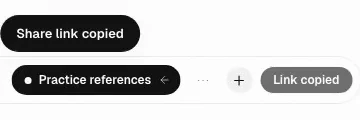
- Collect only the references you are allowed to share. Record the source and what is known. Do not imply a client relationship.
- Select the intended saved board and confirm its name and contents. A public link is a publication decision, not a private attachment.
- Use Share to copy the board link. Keep it labeled as research references beside your own deliverables.
- Inspect the real link signed out before sending it. Check that the viewer receives only the intended material and that any access or revocation controls behave as expected.
We recorded these controls in a local test with sample data and a simulated “Link copied” response. It shows the interface and copy action. It did not create a live shared board. Shared views include only the selected creatives. Check the real board’s contents and sharing permissions before sending its link.
Read actual UGC references with their source limits and keep a separate research log. Neither a poster transcription nor a short silent snippet establishes the creator’s identity, full production or performance.
Use the outline, example and publication log
Start with the blank worksheet, or read the filled-in example to see how to use it. You can copy either one.
Authored October 14, 2026. Verify ownership, links, readable text, captions for your own spoken footage and contact privacy before publishing. This is a template, not a portfolio hosting service or a claim about hiring outcomes.