UGC content platforms: choose by the work you need
A UGC content platform might help you commission a creator video, collect customer reviews or manage a project inside a social network. Those jobs need different workflows. Start with the content you need, then compare how each service gets you there.
Compare 3 documented UGC platform workflows
These are selected examples of different jobs, based on the providers’ public pages checked October 18, 2026. They are not a ranking, an exhaustive directory or a hands-on service test. Features, eligibility and contract terms need checking for your own project.
Cohley: commission creator content
Cohley describes creator-produced video, briefing and an organized content library. Use it as a starting point when you need new material made to a brief. Ask how creators are selected, what revisions include and what rights attach to the files you receive. Do not infer your price, delivery date or result from a vendor example. Read Cohley’s UGC description.
Yotpo: collect and display customer feedback
Yotpo Reviews describes collecting product reviews, including customer photos and videos, and displaying them on a site. That is a different job from commissioning a scripted demonstration. Ask how submissions, moderation, permissions and exports work for your store. Collecting a review does not automatically give you every paid-ad use. Read Yotpo’s review and visual-content features.
TikTok One: find creators and manage TikTok projects
TikTok’s June 2026 documentation describes creator discovery, production partners and project management in TikTok One. Check whether its available workflow fits your account, market and intended use. Permission to advertise through a creator’s account is a separate question from receiving a video file. Read TikTok’s advertiser guide.
A service may support more than one job. These descriptions identify the starting question, not a claim that a provider lacks other features. We have not verified the vendors’ performance, safety, creator-count or unlimited-rights claims and do not repeat those as guarantees.
Decide whether you need customer submissions or commissioned work
If your product page needs real customer experiences, look at how feedback is requested, verified, moderated and displayed. Preserve the customer’s meaning and relationship to the brand. A commissioned actor reading a positive line is not a substitute for that evidence. If your ad needs a clear demonstration, a production brief may be the right starting point instead.
For a commissioned video, write the action, product facts and delivery requirements before comparing services. For customer submissions, write what you are inviting people to share and how you will ask to use it. In either case, retain the source and permission record. A file in a shared library does not explain those details on its own.
Use the creative to write a better platform brief
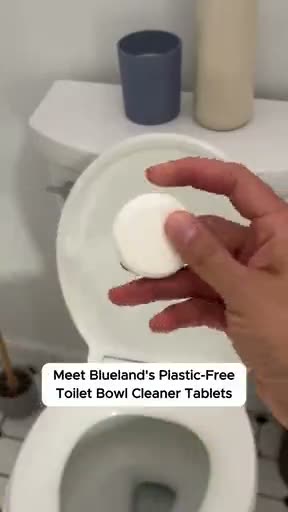
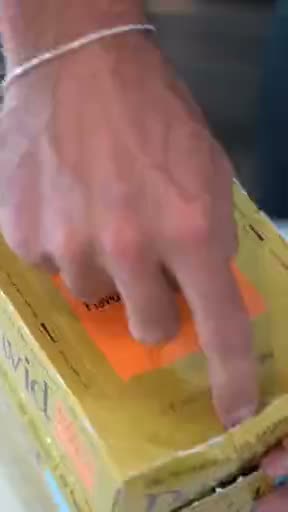
Our Blueland and David references show 2 production questions: how to capture a handling sequence and how to separate product coverage from a person’s reaction. They do not establish which platform, if any, sourced the people or produced the ads. Their payment, customer status, speech and usage agreements are unverified.
Give the creator a task to demonstrate
Blueland shows someone holding the tablet, then using it: dropping it in, letting it fizz, brushing and flushing. The demo gives the creator something to do beyond holding the product.
What to notice: The bathroom setting gives the demo context.
Product: The product is shown being used, from the tablet going in to brushing and flushing.
Next step: Closing text invites an upgrade with Blueland.
Try this: For the hand-wash brief below, film each refill step clearly. Follow your product’s instructions and use its own approved claims.
Separate unpacking from personal reaction
David shows boxes, an opened carton, the wrapper and the bar before a person tastes and holds it. A creator brief can ask for those separate views without prescribing an invented verdict.
What to notice: Stacked boxes start the sequence.
Product: You see the product being opened, what it looks like inside and someone tasting it.
Try this: Ask a creator to show the actual product and describe only a real experience. Leave an honest reaction open rather than scripting approval.
Ask a prospective provider how the brief would request those specific shots, how a reviewer would flag a missing step and how the corrected version would be delivered. A sample reel can show style, but the workflow needs to explain what happens when the first cut does not answer your question. Keep the actual product instructions beside the review.
A worked choice: commission a refill demonstration
This brief needs someone to show the refill process. It has no supplied customer testimonials and no permission to reuse the advertiser references above. The starting choice is commissioned production. A review-collection workflow would not make the required handling footage appear, and a reference board would only help explain the direction.
The brief asks for product identification, the actual opening, each verified refill step and the finished bottle. It also asks for clean takes and a transcript checked against the recorded speech. The owner must supply real product instructions before filming. The creator is not asked to claim skin benefits, money saved or a customer experience they have not had.
In a demo, ask the service to walk through that exact assignment: receiving the brief, choosing a creator, reviewing a cut, requesting the missing action and exporting the accepted files with their permission records. Record what was shown and what still needs an answer. A sales presentation is not a completed test of the service, and we have not booked a demo or placed an order.
Check the agreement and complete cost before committing
Ask for a quote tied to your deliverables. Check whether it includes the creator’s work, shipping, extra openings, revisions, clean footage, music, paid usage and any account-level advertising authorization. Record cancellation and replacement terms. A subscription price without those details may not describe your project’s complete cost.
Keep the permitted destinations, period, territory, editing and likeness use explicit. If the content is an endorsement, review the relationship disclosure and truthful-experience requirements for the market. The FTC’s US guide explains why a material connection needs to be clear. No platform feature removes the need to review the actual work and agreement.
Compare providers against your own assignment
Use the filled practice plan below, then replace it with your project and questions. Keep observed features separate from promises and unanswered questions. The notes are local to this tab and do not submit a brief to any provider.
Write your own observations and production assignment. These notes stay in this tab. Refreshing removes your edits. Copy or download a file to keep them. We do not send these notes to a service.
The notes can be read and selected without JavaScript. Enable it to keep edits in this tab and use the copy and download buttons.
Where we fit in the UGC workflow
We help you research existing ad creative on the Infinity Board. With Pro, save references to named boards and share them on desktop. We do not run a creator marketplace, commission UGC or collect customer reviews. Use the references to make the brief clearer, then choose the production or collection workflow your project actually needs.