Hook ideas you can actually film
Start with what you want to show about the product. These opening ideas give you a line, an action and a shot to work with.
3 openings to watch without the sound
Compare when the product becomes recognizable, what the hand or person adds, and what the text can explain. These are framing observations, not a ranking of winners.
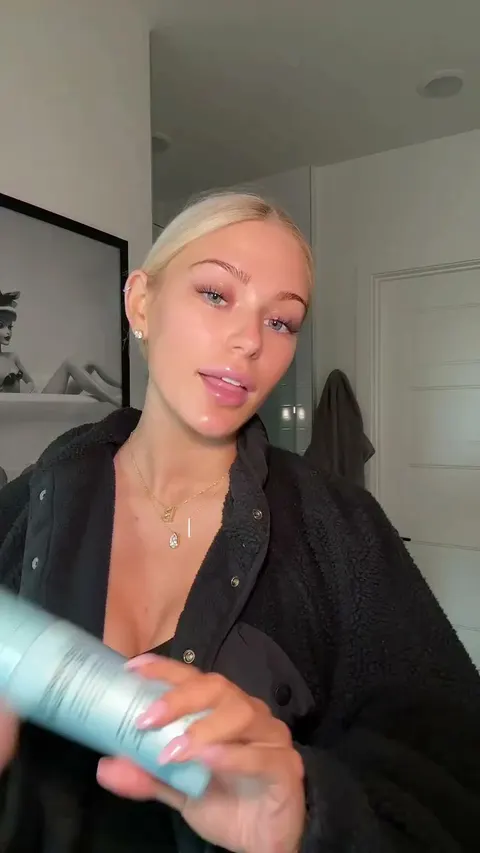
The person stays visible while the product moves
At the start, the product sits low in the frame beside the person. During the snippet, it moves in their hands and a short sale/recommendation caption appears.
Question: Can a viewer identify your product before the explanation starts?
For your shoot: Film a product-first opening and a person-first opening for your own product. Keep the proof sequence the same so you can describe the difference clearly.
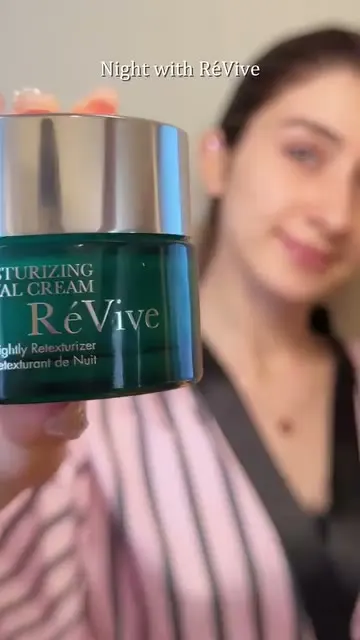
A close product view gives way to more person context
The product fills the foreground at the start. By about 2 seconds, it is farther from the lens while the person remains in view.
Question: What becomes clearer at each camera distance?
For your shoot: Give the close view one job, such as showing the label or closure. Give the wider view a different job, such as showing how the product is held.
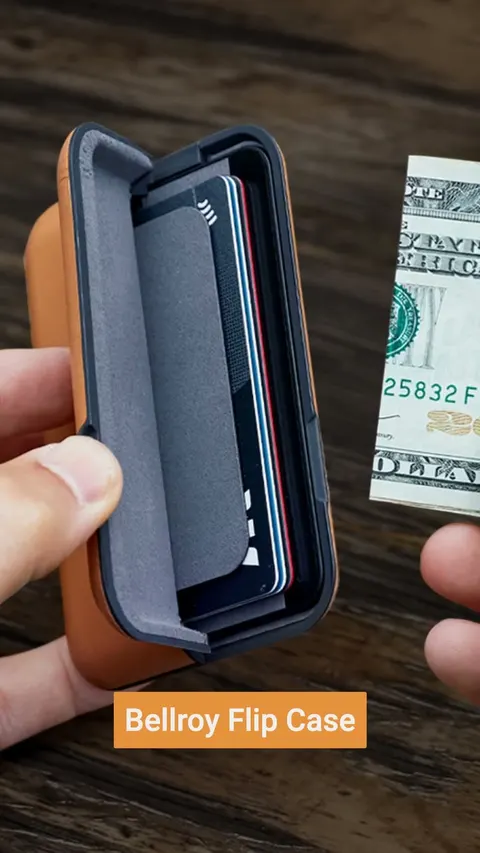
The mechanism is already visible
Hands hold the open product. Card edges and the opening are visible, with the product name near the bottom of the frame.
Question: Could your first view show the product doing the job?
For your shoot: Begin with your own product open or in use, then show the step the viewer needs to understand. Do not infer capacity or ease from this reference alone.
Use these original hook ideas for product videos and paid-social ads. Each opening has 3 jobs: show a clear visual, say something the footage can support, and give on-screen context. Start with the product question, then choose the words.
Give the opening a payoff the next shot can deliver
An opening is easier to brief when it names a question the product can answer. Start with the action you can film, then write the line. A surprising sentence with no matching demonstration leaves the editor with a promise and no footage.
TikTok’s Creative Codes recommends a hook, body and close. Use that as a planning structure: the opening creates a reason to watch, the middle supplies the explanation, and the ending gives the viewer a relevant next step. It does not make an opening a guaranteed performer.
Try it in your next brief
For the refill-bottle assignment, try ‘Here’s where the refill goes’ over a clear view of the opening. Follow it with the actual refill action. If the product works differently, change the words and the shot together. Write a second opening around the same demonstration so you can compare the opening choice.
Further reading: TikTok Creative Codes
How to write a hook for an ad
A hook is the opening that gives someone a reason to keep watching or reading. In a product ad, it can be an action, image, sentence or a combination. The useful question is what the opening helps the viewer understand. A surprising line that leads into an unrelated demonstration creates a promise the rest of the ad cannot keep.
Start with one product question: where does the charger go, how does the case open, or what does the fabric look like in movement? Choose a real action that answers it. Then write an opening sentence that points to that action. Our example is: ‘Where would you put your charger?’ The shot must show the actual pocket and retrieval. That is an original writing exercise, not an advertiser transcript or a claim about every bag.
Make the first sentence concrete enough to film. ‘Upgrade your everyday’ leaves the editor guessing. ‘Watch where the charger goes’ gives the next shot a job. The second line is not automatically a better performer; it is a clearer production assignment. The real product must support the demonstration.
- Write the viewer’s question and the product fact you can verify.
- Choose the first image or action before polishing the sentence.
- Write 3 genuinely different openings: a question, an action and a specific detail.
- Put the answer in the body. Remove a curiosity gap you cannot close.
- Read the line aloud over the actual cut. Check the complete export with sound and without it.
- Record what changes between versions. Compare your own relevant results without calling a public reference a proven winner.
Types of hooks, with original sentence examples
These are practical writing choices for advertising, not an exhaustive classification of literary or classroom hooks. Each example uses a product and needs an actual sample before filming. The lines are suggestions for your own production; nobody in an existing ad is claimed to have said them.
Question: ‘Which pocket holds the charger?’ Show the closed pocket, open it and retrieve that item. This works as an assignment when the answer is visible. A vague ‘Want something better?’ does not identify what the viewer will learn.
Demonstration: ‘Here’s how it opens.’ Begin the opening action immediately and keep the mechanism in frame. The body completes the action rather than cutting past a difficult fastening step.
Specific detail: ‘Three compartments, three things to find.’ Show the actual three compartments and name the cable, comb and bottle. This sentence is only usable if the real sample has that layout. Do not turn the count into an unsupported capacity claim.
Comparison: ‘Packed and unpacked: the same three items.’ Keep the product, objects and camera scale consistent. Describe the visible difference; do not imply superiority over a competitor you have not tested.
Situation: ‘Packing for one night? Start with what you need.’ Show the named contents and explain that they are this example’s kit. Avoid saying the product fits everyone’s overnight essentials.
Story opening: ‘I packed the cable first, then needed it at the station.’ Use a truthful personal experience when filming an endorsement, or clearly stage an original scene. Do not give an actor an invented customer history and present it as real.
What makes a good hook or attention grabber?
A useful opening makes the subject recognizable, raises a relevant question and sets up an answer you can deliver. Attention alone is an incomplete measure. If the line attracts people who do not understand the product or sends them to an unrelated destination, more views may not help the campaign.
Review a hook in context: can someone identify the object at phone size; do the words and action refer to the same thing; does the body answer the opening; and does the next step continue that explanation? If the video needs speech, review its actual recorded audio. A silent preview cannot verify a spoken line, voice, music or timing against speech.
For hook writing, revise the reason to watch before replacing adjectives. ‘The ultimate organizer’ can become ‘See which pocket opens first’ only when the video shows that detail. A sentence promising a speed, health, environmental or financial result needs evidence beyond an attractive opening. Remove an unsupported claim rather than hiding it in smaller text.
The 25 openings below pair original words with filming directions and checks. They address product-video and paid-social writing. An essay hook has a different job: it must lead into an academic argument, evidence and thesis. This page does not provide an essay-writing curriculum or treat an ad’s call to action as an essay conclusion.
25 original openings, grouped by product question
We wrote these openings as starting points for your own product. They aren’t advertiser transcripts or proven winners. Use approved product facts and cleared footage. Keep the on-screen line focused on the same idea as the spoken line.
Can I reach the thing I packed?
Which pocket would you reach for first?
- Visual opening
- Start with the bag already open. Point to the pocket you will use.
- Spoken opening
- Which pocket would you reach for first?
- On-screen opening
- Choose a pocket
- Proof to check
- Show a hand reaching for 1 item without hiding the other compartments.
Can I grab one thing without unpacking everything?
- Visual opening
- Leave the packed bag in the frame while taking 1 item out.
- Spoken opening
- Can I grab one thing without unpacking everything?
- On-screen opening
- Find it without unpacking
- Proof to check
- Use a real packing setup. Do not imply access is easier if the demonstration does not show it.
Here’s what I’d check before packing this.
- Visual opening
- Show the opening and fastening before filling the bag.
- Spoken opening
- Here’s what I’d check before packing this.
- On-screen opening
- Check the opening first
- Proof to check
- Show the exact fastening on the product you are selling.
Pack it, hang it, then try to find what you need.
- Visual opening
- Begin with the hanging bag. Retrieve an item, then show the packed layout.
- Spoken opening
- Pack it, hang it, then try to find what you need.
- On-screen opening
- Packed to in use
- Proof to check
- Use a supported hanging method and a setup your customer could reproduce.
What needs its own compartment on your next trip?
- Visual opening
- Put 2 different items beside the open bag, then place them into separate spaces.
- Spoken opening
- What needs its own compartment on your next trip?
- On-screen opening
- Give each item a place
- Proof to check
- Do not promise leak protection or a capacity you have not verified.
Can I understand how it opens?
Which side opens?
- Visual opening
- Put the closed case in a hand and point to the release before using it.
- Spoken opening
- Which side opens?
- On-screen opening
- Find the opening
- Proof to check
- Show the real mechanism clearly. A cut must not hide an awkward step.
Open it before you judge the size.
- Visual opening
- Open the case in 1 continuous shot, keeping its contents visible.
- Spoken opening
- Open it before you judge the size.
- On-screen opening
- Closed, then open
- Proof to check
- Use the same object in both views and keep scale consistent.
Here’s how it opens.
- Visual opening
- Start at the mechanism and complete one full opening.
- Spoken opening
- Here’s how it opens.
- On-screen opening
- Watch the mechanism
- Proof to check
- Do not suggest one-handed use unless that exact product can be demonstrated that way.
Would you know where to put this back?
- Visual opening
- Remove an item from the open case, then return it to the same place.
- Spoken opening
- Would you know where to put this back?
- On-screen opening
- Take it out. Put it back.
- Proof to check
- Use the intended contents. Do not overfill the case for the shot.
Here’s what fits inside.
- Visual opening
- Hold the open case at the angle that shows both the opening and the contents.
- Spoken opening
- Here’s what fits inside.
- On-screen opening
- See the inside
- Proof to check
- Use your own product and make the visible capacity match the eventual listing.
How does the product look when you hold it?
Want a closer look?
- Visual opening
- Begin with the product close to the camera, then move it back beside the person.
- Spoken opening
- Want a closer look?
- On-screen opening
- Close view / hand view
- Proof to check
- Use the same product and lighting. Camera distance is not evidence of skin results.
Here’s the product up close.
- Visual opening
- Keep the product steady with its front facing the lens.
- Spoken opening
- Here’s the product up close.
- On-screen opening
- Read the label
- Proof to check
- Use a legible, approved label and hold it long enough to read.
Let me show you what this is.
- Visual opening
- Begin with the product in frame, then give the relevant explanation.
- Spoken opening
- Let me show you what this is.
- On-screen opening
- Product first
- Proof to check
- The spoken description must match verified product facts.
Here’s how you open it.
- Visual opening
- Keep hands and the closure visible while opening the product.
- Spoken opening
- Here’s how you open it.
- On-screen opening
- Show the closure
- Proof to check
- Use the actual closure. Showing how the product opens does not prove a treatment benefit.
Watch how it works.
- Visual opening
- Show the complete handling action without a cut.
- Spoken opening
- Watch how it works.
- On-screen opening
- One continuous action
- Proof to check
- A continuous shot must still show the product clearly and avoid an unsupported result claim.
How does it fit and move?
Where does this jacket end when you sit down?
- Visual opening
- Start with the person seated, then stand for a second view.
- Spoken opening
- Where does this jacket end when you sit down?
- On-screen opening
- Seated / standing
- Proof to check
- Give the model size and garment size when relevant. One fit is not universal.
Here’s how the jacket looks when I move.
- Visual opening
- Use 3 clear views of the same garment on the same person.
- Spoken opening
- Here’s how the jacket looks when I move.
- On-screen opening
- 3 fit views
- Proof to check
- Do not change the garment or hide a fit adjustment between views.
What changes when the sleeve is rolled?
- Visual opening
- Begin with one sleeve rolled and one unrolled, then show the cuff.
- Spoken opening
- What changes when the sleeve is rolled?
- On-screen opening
- Rolled / unrolled
- Proof to check
- Show the actual fabric and cuff. Avoid an unverified comfort promise.
Look at the hem while I move.
- Visual opening
- Keep the full hem in frame during a short walking or reaching action.
- Spoken opening
- Look at the hem while I move.
- On-screen opening
- Watch the hem
- Proof to check
- Keep the camera position steady so movement is not confused with a camera crop.
Here’s how it fits over a layer.
- Visual opening
- Show the same garment over one clearly named base layer.
- Spoken opening
- Here’s how it fits over a layer.
- On-screen opening
- Over a base layer
- Proof to check
- Name the layer and sizes. Do not claim it fits every body or season.
Can I judge the jewelry size?
Here’s how it looks on.
- Visual opening
- Start with the earring worn, with enough face context to judge scale.
- Spoken opening
- Here’s how it looks on.
- On-screen opening
- Worn size
- Proof to check
- Use cleared talent and identify the actual piece shown.
Before you choose a necklace, check where it sits.
- Visual opening
- Show the necklace on a person, then its clasp or length adjustment.
- Spoken opening
- Before you choose a necklace, check where it sits.
- On-screen opening
- Where it sits
- Proof to check
- Give verified dimensions if you state them. Fit depends on the person.
Here it is on.
- Visual opening
- Keep the same piece visible across a simple 2-shot sequence.
- Spoken opening
- Here it is on.
- On-screen opening
- Flat / worn
- Proof to check
- Use consistent lighting. Do not alter stone color or finish to make the contrast.
Let me show you the fastening.
- Visual opening
- Start with the clasp or closure being used.
- Spoken opening
- Let me show you the fastening.
- On-screen opening
- See the fastening
- Proof to check
- Show the real closure instead of substituting an easier prop.
Would you stack these, or wear one alone?
- Visual opening
- Show one piece worn alone, then the actual proposed combination.
- Spoken opening
- Would you stack these, or wear one alone?
- On-screen opening
- One / together
- Proof to check
- Do not claim suitability for sensitive skin or durability without product evidence.
Keep the opening’s promise in the body
- Write the viewer question before the hook. “How does it open?” needs a different proof shot from “How big is it?”
- Choose footage that can answer it. If the hook promises something, the footage needs to show it.
- Give the next shot a job: complete the opening action, show scale, or reveal a detail. Avoid repeating the same view just to fill time.
- Write one contrast you can film. Test a wide view against a closer opening while keeping the question and proof consistent.
- Make a different concept for a different question. Changing 5 synonyms does not create 5 new ideas.
TikTok’s performance-ad guidance recommends a hook, product proposition and clear call to action, with early context. Those are advertising recommendations, not an organic ranking checkpoint or a promise that an opening will go viral.
Turn 1 idea into a shootable plan
The completed example is a plan for an organizer. Replace it with your own product facts, then use it to brief the writer, creator or editor. No test results are supplied.
Start with the blank worksheet, or read the filled-in example to see how to use it. You can copy either one.
Keep the reference beside the production question
Use Barry to collect visible creative choices, then give your team a brief they can act on. The public examples and worksheets work on your phone. Pro adds search by look, saved boards and sharing in a desktop browser.