How to go viral on TikTok: start with a better creative test
Plan your next few posts around a clear product idea. Decide what you'll change and what you'll look at afterward to learn from them.
Start with a question the footage can answer
Choose a question people might have about your product, then show the answer. If they want to know how easy it is to reach a packed item, film that action. If they need a closer look, bring the product toward the camera.
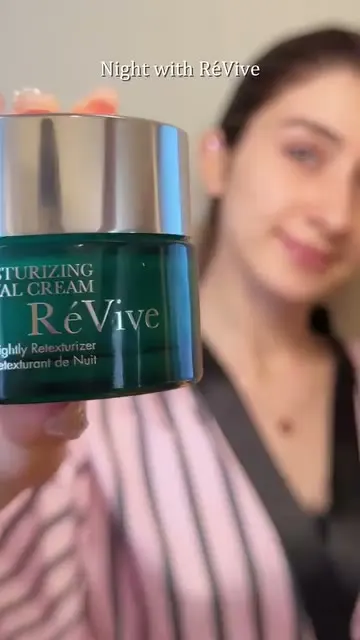
A close product view gives way to more person context
The product fills the foreground at the start. By about 2 seconds, it is farther from the lens while the person remains in view.
Question: What becomes clearer at each camera distance?
For your shoot: Give the close view one job, such as showing the label or closure. Give the wider view a different job, such as showing how the product is held.
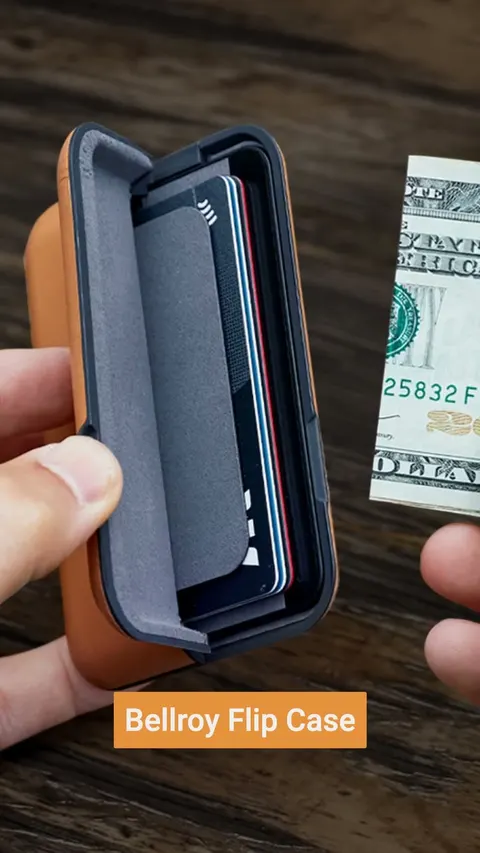
The mechanism is already visible
Hands hold the open product. Card edges and the opening are visible, with the product name near the bottom of the frame.
Question: Could your first view show the product doing the job?
For your shoot: Begin with your own product open or in use, then show the step the viewer needs to understand. Do not infer capacity or ease from this reference alone.
No edit can guarantee virality. If you want to get more views on TikTok, make a video a specific viewer can follow, then review what happened. Use this plan to decide what to film next. Review organic reach and paid views separately so you know what you’re comparing.
A complete original TikTok filming plan
This is a filming plan. No TikTok campaign ran. The timings below are our production choices, not platform rules or an ideal duration for every video.
| Beat | What to film | Words and context | Proof check |
|---|---|---|---|
| 0–3s · opening | Bag already open. Hand reaches toward 1 item. | Spoken: Can I grab one thing without unpacking everything? Text: Find it without unpacking. | The product and the access point are visible before the retrieval. |
| 3–9s · proof | Retrieve 1 item in a continuous shot while the other compartments stay in frame. | Let the action answer the question. Explain only the detail that cannot be seen. | Do not hide a fastening step or promise unverified capacity. |
| 9–15s · ending | Return the item and show the actual packed layout. | Check the layout before you pack. | Keep the ending about the layout you just showed. Don’t generalize it to every customer or packing setup. |
Record cleared sound and make the explanation readable with captions. TikTok’s June 2025 performance-ad guidance includes vertical framing, sound and keeping important content inside the interface’s safe zone. Apply those advertising recommendations to an actual paid adaptation. Do not turn them into a guaranteed organic-growth formula.
Choose the next change from what you can observe
- The product is hard to identify
- Try showing the relevant detail in the first view. Check the video at phone size before assuming the words will solve it.
- The promise arrives before the proof
- Move the answering action earlier or make the promise more specific. Do not add an unsupported benefit to make it sound bigger.
- Comments ask the same practical question
- Make a follow-up that shows that step. Keep the question and the answer together instead of adding an unrelated trend.
- The video gets views but no relevant action
- Check audience fit, the product question and the next step separately. Views do not establish purchases or a causal effect on sales.
A test plan is more useful than an algorithm shortcut
TikTok’s 2020 public recommendation explanation describes combining user interactions, video information and account/device settings, and says the system continues to change. That historical explanation is not a current formula for the weight of a like, a 3-second view or a completion.
Write captions that match the video and answer a question your audience has. Use a trend if it helps explain the product and you have the rights to use it. No posting schedule or opening line can promise a view count.
- Write a wide-opening version and a closer-opening version of the same question.
- Keep the body, product facts and ending consistent where practical. Record every difference instead of claiming a clean A/B test you did not run.
- Add a different concept that answers another product question. Do not treat a text swap as a new concept.
- Choose a common post-age review window and record the metric’s definition. Read available watch metrics, relevant comments and product actions as separate evidence.
- Use repeated observations to choose the next filming question. Sequential organic posts are not a randomized causal experiment.
Keep organic reach and paid distribution separate
TikTok’s advertising page for increasing views offers Promote and Spark Ads as distribution options. A promoted post or paid campaign can gain views through advertising. That does not certify organic virality. This resource does not ask you to buy distribution.
Mark a post organic, paid, mixed or unknown before comparing it. Do not subtract numbers from different reporting definitions to invent an organic total. Keep the platform, metric and age window with each observation.
Compare a post with its own usual reachKeep the filming plan and review together
Copy the blank log or use the original organizer example as a starting point. Results are left unknown until you have evidence from your own account.
Start with the blank worksheet, or read the filled-in example to see how to use it. You can copy either one.
Keep the reference beside the production question
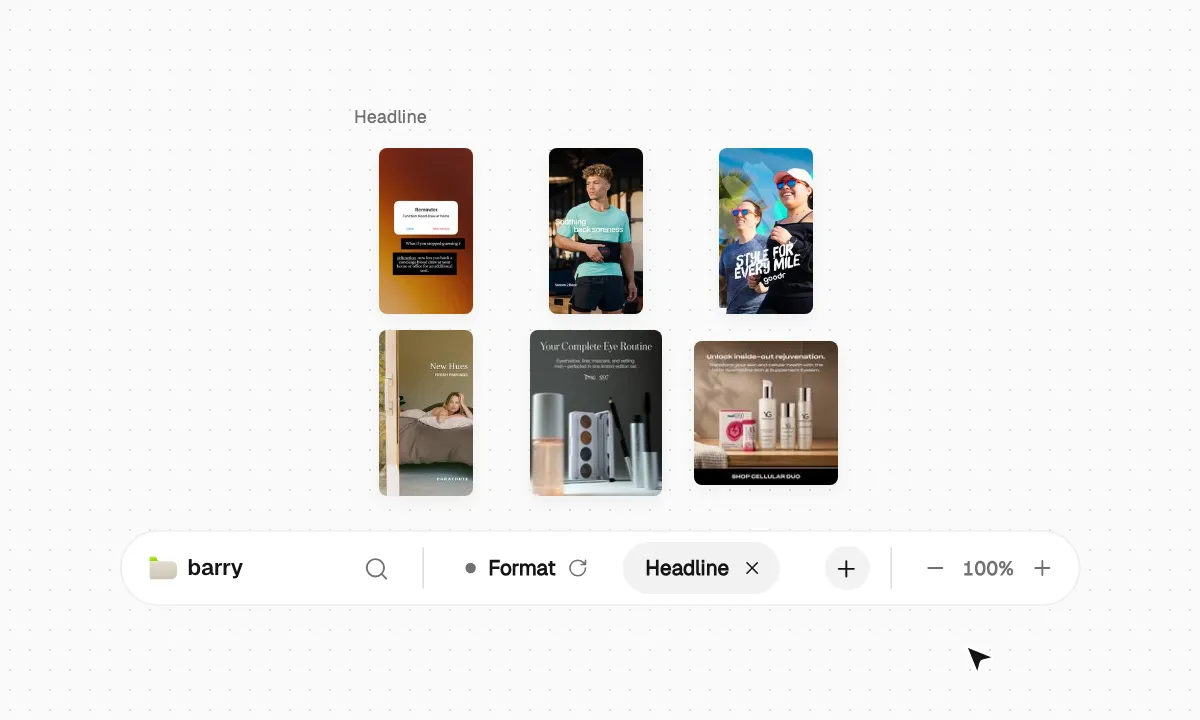
Use Barry to collect visible creative choices, then give your team a brief they can act on. The public examples and worksheets work on your phone. Pro adds search by look, saved boards and sharing in a desktop browser.