Ad copy examples: read the words beside the creative
Read the copy with the image beside it. The words should help people understand what they're looking at and what to do next.
10 visible references across 9 brands
Transcribed from the existing retained low-resolution images and video posters, checked 14 October 2026. Quoted lines are visible advertiser wording. Annotations and proposed alternatives are Barry’s original exercises. Posters cannot establish a full spoken transcript or when a line appears across the complete video. These references don’t verify targeting, placement, customer identity or advertiser results.
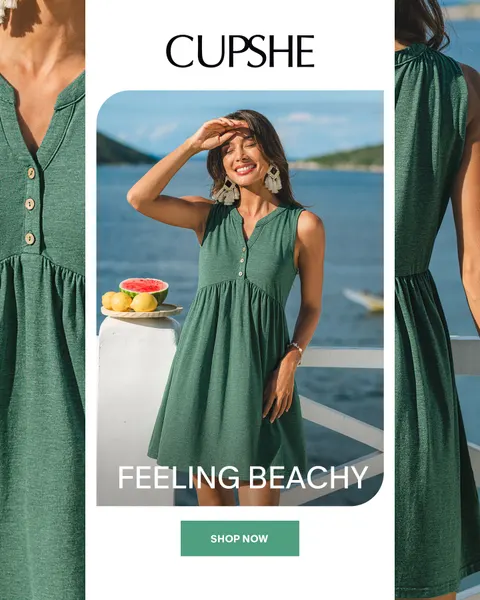
Cupshe
FEELING BEACHY
Static image. Headline inside the central dress view. The separate button reads SHOP NOW.
The line names an occasion and feeling while the image supplies the garment. The CTA gives a separate next action.
Original pouch exercise: Ready for the weekend. Show the actual weekend packing set. Do not copy the dress imagery.
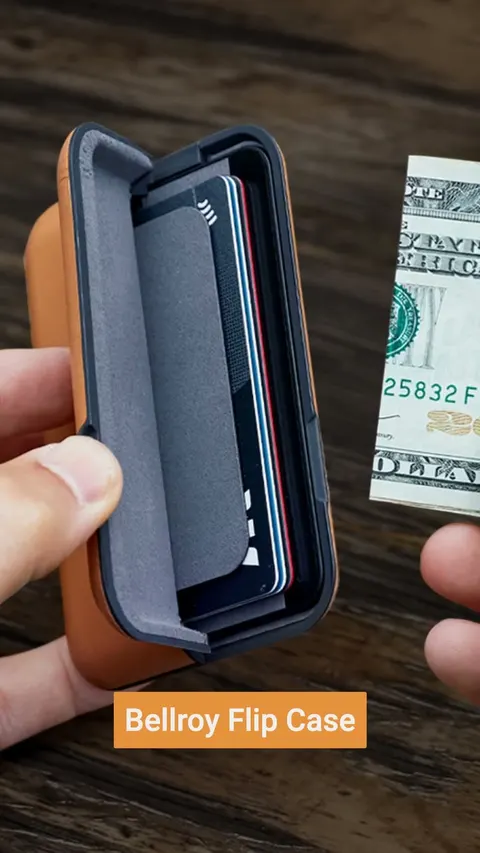
Bellroy
Bellroy Flip Case
Visible label in the retained video poster. This is a poster transcription, not a full-video or audio transcript.
The label identifies the product while the open case supplies a mechanism view. The poster alone cannot establish when this line appears in the full ad.
Original pouch exercise: 3 compartments, shown open. Confirm the final product has that construction.
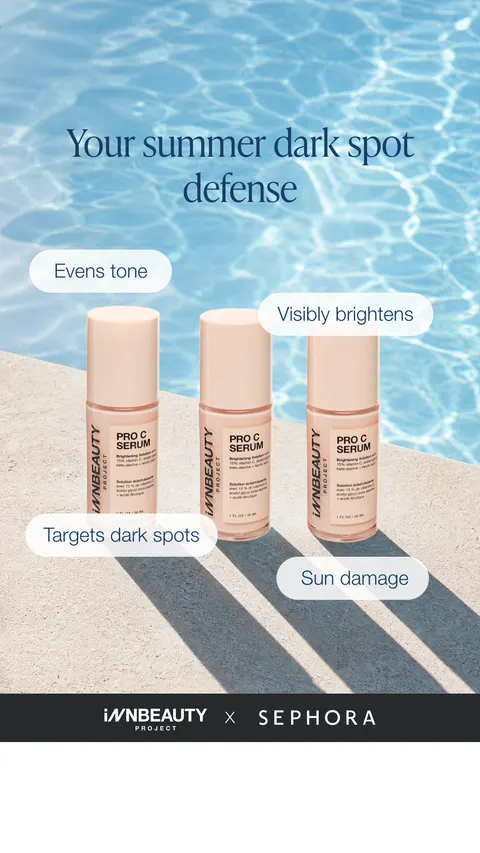
INNBeauty Project
Your summer dark spot defense
Static image. Headline above 3 bottles and smaller benefit labels. This is advertiser wording, not a verified product conclusion.
A seasonal phrase connects a product group to a stated need. Any similar efficacy promise requires appropriate evidence before publication.
Original pouch exercise: Your travel essentials, in view. Demonstrate the named items. Do not borrow skincare efficacy claims.
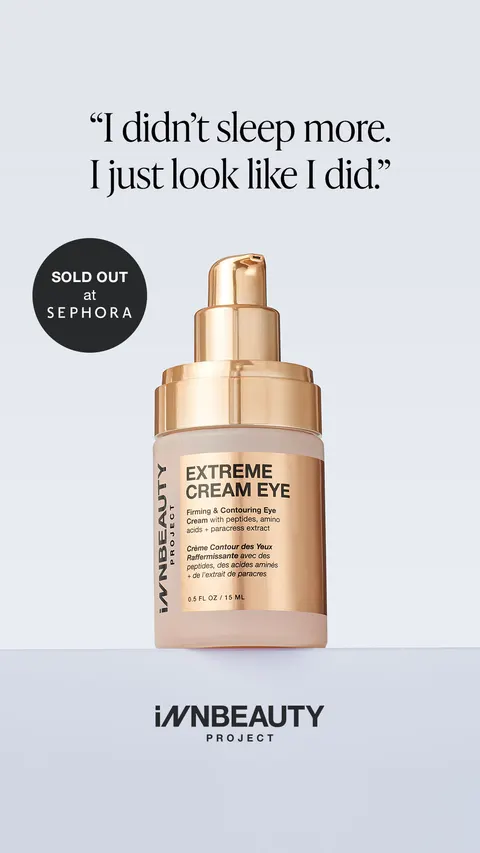
INNBeauty Project
I didn’t sleep more. I just look like I did.
Static image. Quoted first-person line above an eye-cream bottle. Quote styling does not verify customer identity or the claim.
2 short sentences set up a contrast. The bottle connects the line to a product. The image does not substantiate a result.
Original pouch exercise: Open it. Find what you need. Make the action literal rather than inventing a testimonial.
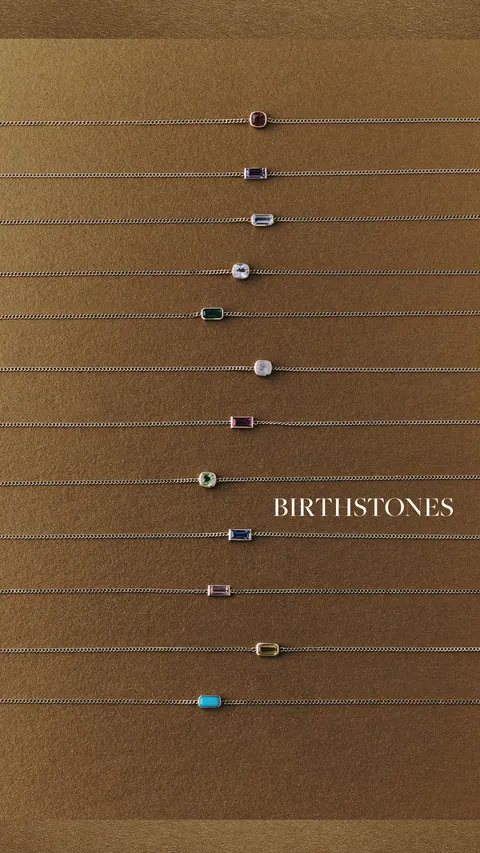
Gorjana
BIRTHSTONES
Static image. Category label beside rows of necklaces with different colored stones.
1 word tells the viewer how to interpret the selection. Product variety is visible without a paragraph of explanation.
Original pouch exercise: 3 COMPARTMENTS. Use only if all 3 are visible and the final product matches.
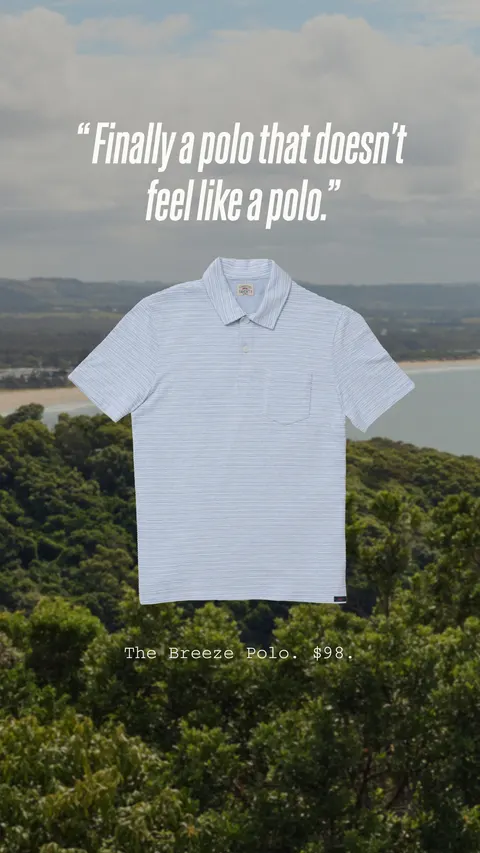
Faherty Brand
Finally a polo that doesn’t feel like a polo.
Static image. Quoted line above an isolated shirt. It describes a feeling, not a measured comparison in this research.
The repeated category word makes the contrast memorable. The retained creative does not prove who said it or how comfort was assessed.
Original pouch exercise: A small pouch. A clear layout. Keep the contrast descriptive. Verify size rather than claiming superiority.
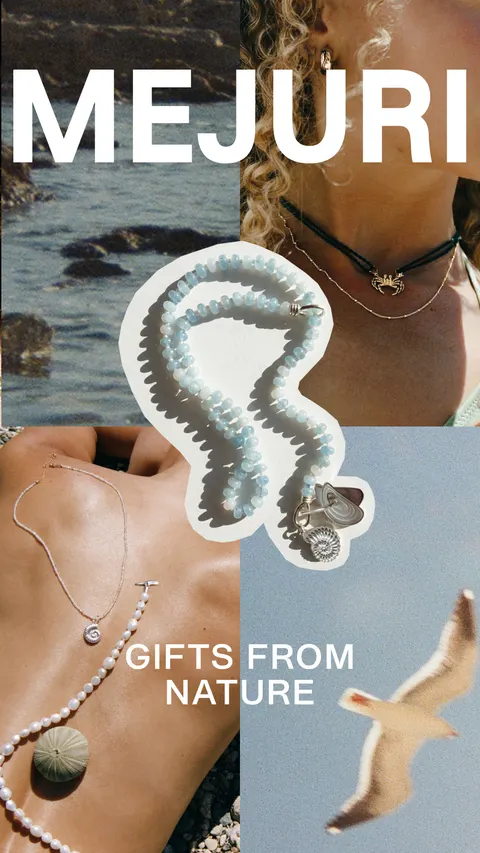
Mejuri
GIFTS FROM NATURE
Static collage. A 3-word phrase joins worn jewelry, product cutouts and outdoor imagery.
A thematic line holds different images together. It is not proof of material origin or environmental certification.
Original pouch exercise: PACK FOR THE WEEKEND. Keep the pictured items consistent with that occasion.
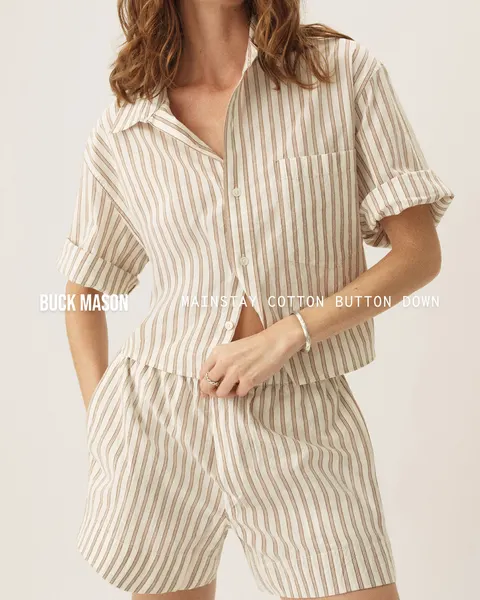
Buck Mason
MAINSTAY COTTON BUTTON DOWN
Static image. Product-description line across a close garment view, beside BUCK MASON.
The line names a material and garment form. Its placement lets texture and fastening do some of the explaining.
Original pouch exercise: A zip pouch with 3 compartments. Replace this with the final approved construction. Do not invent a material.
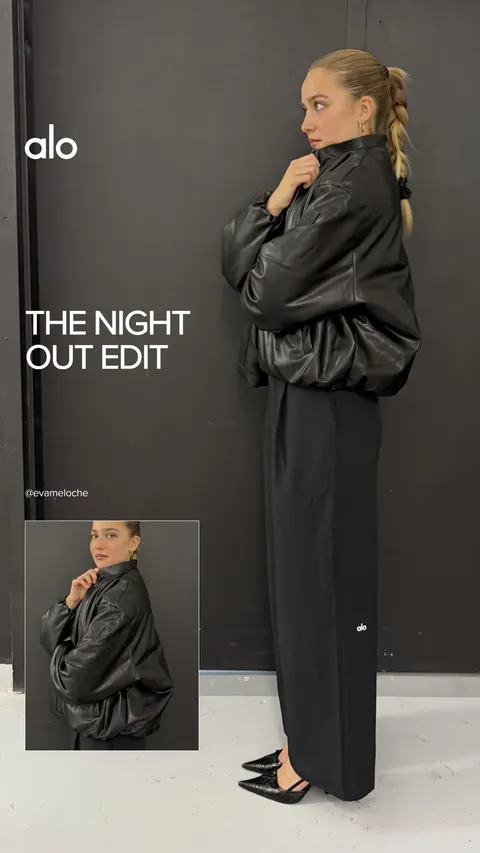
Alo Yoga
THE NIGHT OUT EDIT
Static image. Collection/occasion phrase beside a full outfit, with a smaller outfit inset below.
The phrase positions the pictured clothing in an occasion. The image does not establish the advertiser’s targeting or results.
Original pouch exercise: THE WEEKEND PACKING SET. Show the same named items in both the opening and the final view.
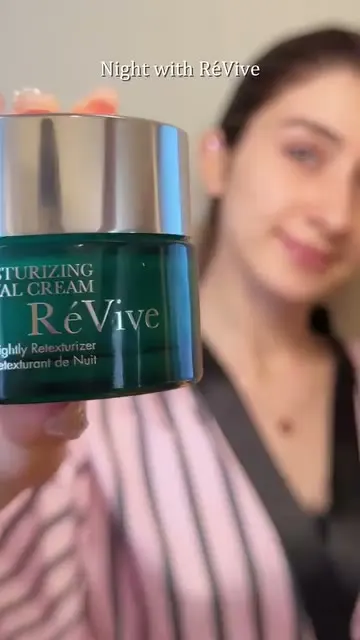
ReVive Skincare
Night with RéVive
Visible line on the retained video poster above the product. This is not a complete spoken or timed transcript.
An occasion line sits alongside a recognizable product. Inspect the full approved export before deciding caption timing or whether sound adds necessary information.
Original pouch exercise: Pack for tomorrow. Show the real packing action and supply readable captions for any spoken line.
Ad copy helps explain what someone is looking at and what to do next. We’ll read 10 examples with their images, then write alternatives for our own practice product. We’re comparing the writing and layout, not ranking the ads by performance.
Make the line and the picture answer the same question
Read the line over the actual image. Does the picture show what the words promise? A line can sound convincing on its own and still leave the product unclear.
For an organizer brief, compare ‘Everything you need, beautifully organized’ with ‘See every compartment before you pack’. The second line gives the picture a specific job. It is a proposed writing exercise, not advertiser copy or a tested performance result.
Try it in your next brief
Write 1 line that names what the viewer can see. Write another that answers the question the image leaves open. Choose the one that helps the product explanation, then verify every factual claim before the line moves into production.
Change the message without inventing the proof
Original exercise for the pouch: 3 compartments, a zip opening and a hanging loop are authored design assumptions. They are not facts about a product for sale. Use your own approved product evidence before adapting the lines.
- A · layout-led opening
- Your travel essentials, in view.
- B · access-led opening
- Open it. Find what you need.
- Same body
- See where the cable, bottle and comb go.
- Same CTA
- See the layout.
- Changed variable
- Opening message. Keep footage, body, CTA, offer and destination stable if that is the intended comparison.
- Hypothesis
- Access language may change how people understand the demonstrated action. No customer response or ad result is supplied.
- Proof needed
- The real sample and exact named items. A continuous access demonstration. No hidden capacity change or unsupported speed claim.
We wrote these alternatives for the pouch. They aren’t Bellroy’s copy or a rewrite attributed to another brand. Use our Hook Writer to study openings and write your own notes. Use this guide to review the whole message.
Review copy in the format people will see
- Static image: inspect the whole composition at phone size. Keep the product detail named by the line visible.
- Video: review the full approved export before asserting line timing, spoken wording or caption continuity. A poster and a 6-second silent snippet supply less evidence.
- Claims: identify the evidence and approver for each promise. Quote styling, category labels and advertiser presence are not proof of a customer, efficacy or performance.
- CTA and destination: give one useful action, then check that product/version, promise and offer agree on the destination.
- Originality: keep source wording and your own alternatives clearly separated. A research reference does not grant permission to reuse imagery, footage or copy.
Take the working document with you
Start with the blank worksheet, or read the filled-in example to see how to use it. You can copy either one.