Creative strategist vs creative director: who decides what?
Who's deciding what to test, and who's deciding how it should look? This guide follows a brief through the team so those responsibilities are clear.
What does a creative strategist do?
A creative strategist works out who the ad is for, which product question to answer and what to make next. The research should lead to a brief the team can use. Motion’s guide includes competitor research, audience thinking and briefing, while noting that the role varies by team.
A creative strategist turns a customer question into a reason to make and test an ad. A creative director turns that assignment into an approach the team can produce and review. This paid-creative guide follows one product through the decisions between them.
What does a creative director do?
A creative director decides how the idea should look, sound and unfold, then reviews the work against that direction. The BLS art-director profile covers visual concepts, style and review. It’s useful context, but art director and creative director aren’t interchangeable titles. The split below is our example, not a rule for every team.
Creative strategist jobs: 2 employer examples to compare
We checked these public employer listings on October 18, 2026. They are a small dated shortlist, not a complete jobs board or a promise that a vacancy remains open. Check the employer’s page before applying. We have not contacted either employer, reviewed private applications or verified its hiring outcome.
TubeScience’s (Senior) Creative Strategist listing describes an onsite Los Angeles role combining consumer and competitor research, scripts, production feedback and creative-test analysis. It asks for substantial experience and work showing paid-social or direct-response practice. Read the listing’s actual requirements rather than treating the title as an entry-level opening.
Superside’s Senior Creative Strategist listing is labeled global and remote. It describes translating customer objectives, audience research and performance data into briefs, with collaboration across brand, social, web and other digital work. Confirm location eligibility and working arrangements directly; a remote label does not establish that every applicant can be employed in every country.
These are different creative strategy jobs. One emphasizes a performance-video account workflow; the other describes a wider digital creative remit. Compare the deliverables, seniority, customer contact, reporting access and production responsibilities before deciding whether a title fits your experience.
Show how your research became a production decision
Choose one work sample that matches the role. Describe the business question, evidence you could access, your exact contribution, what the team made and what you learned. Link the brief and finished work only when you have permission. If results are private or unavailable, explain that limit. Do not invent a return on ad spend to complete the case.
For a practice application, use the product brief on this page. Write a research question, explain why the layout reference matters, draft two distinct concepts and name the shots needed. Label it independent practice. Planning a campaign does not mean you managed an account, directed the shoot or generated revenue.
Before applying, check location, employment or contract status, seniority, expected tools and the current application route. Ask how a requested exercise will be assessed, how long it should take and whether it could be used commercially. This is our preparation checklist, not a statement of either employer’s hiring policy.
A completed responsibility map
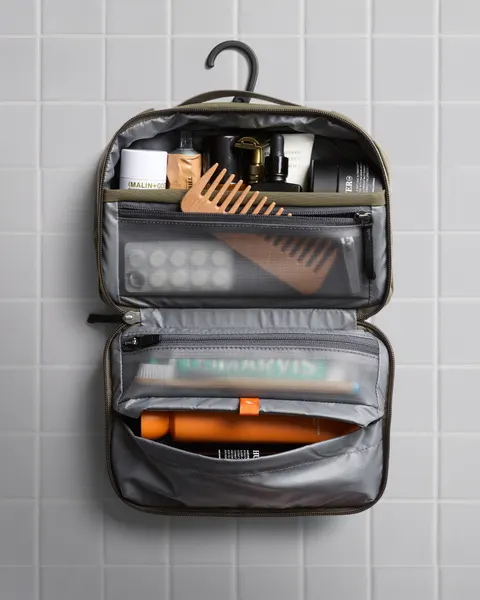
This example uses our pouch. It shows the decisions and approvals the team would need before filming.
- Strategist → brief
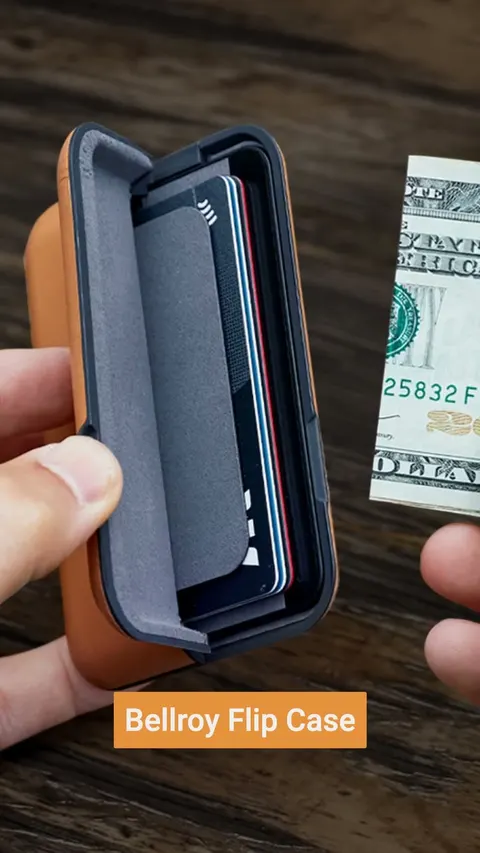
- Can viewers see where the 3 items go? Brief a continuous packing demonstration, then show 1 item being taken out. Check the product facts before filming. The references suggest a way to show it, not evidence of customer demand.
- Creative lead → treatment
- Show the open pouch, pack the cable, bottle and comb, then take the cable out without hiding a step. Check whether someone watching the edit can explain where the items go.
- Producer → shoot plan
- Approved real sample, named props, permission to use talent and sound, 6-frame plan, continuous retrieval take and a close detail only when it reveals construction. Flag missing product approval before filming.
- Editor → review cut
- Match captions and speech to the visible action. Do not hide the access step with a jump cut. Check the full file with sound and without sound at phone size. Preserve the approved product version.
- Product owner → factual approval
- Confirm compartments, fit of the 3 exact props and the access mechanism on the actual sample. Remove capacity, speed, travel-security or customer-result claims that have not been substantiated.
- Media buyer → experiment and readout
- Proposed test: change only the opening 2 seconds, retaining body, offer and destination. Agree the business metric, attribution basis and decision rule before launch. No result exists in this example.
- Learning handoff
- There’s no test result yet. Once the experiment runs, record who saw each version, the agreed metric and the uncertainty before choosing what to change next. An ad’s age or appearance won’t tell us how it converted.
1 question, 6 owners
Product: a travel pouch with 3 visible compartments for a cable, a small bottle and a comb. Customer question: can I see where those items go and how one is retrieved? No product was sold, customer study conducted or campaign run. Assign an owner to each decision even if one person fills several roles.
Start with what each person needs to hand over
The strategist writes the question and reason to make the ad. The creative lead explains how it will play out. The producer plans the shoot, and the editor makes the cut. After a test, the team uses the results to decide what to make next. Be clear about who owns each step, especially when 1 person fills several roles.
Make a failed review actionable
If the edit jumps from an empty pouch to a packed one, we never see how an item comes out. The creative lead flags the missing action. The producer gets the shot, and the editor puts it back into the sequence. The product owner checks that the demonstration is accurate before the buyer prepares it for the intended placement.
A role guide for creative work
This guide helps a paid-social team assign decisions and deliverables. The dated career section compares two public employer listings and explains how to prepare a relevant work sample. It is not a complete jobs service. Brand strategist and media buyer are useful responsibilities in this assignment, but the broad meanings of those titles vary across employers. Start with the work that must be handed over and confirm the title with the team.
Keep the visible choice beside the assignment
Watch the reference collection controls
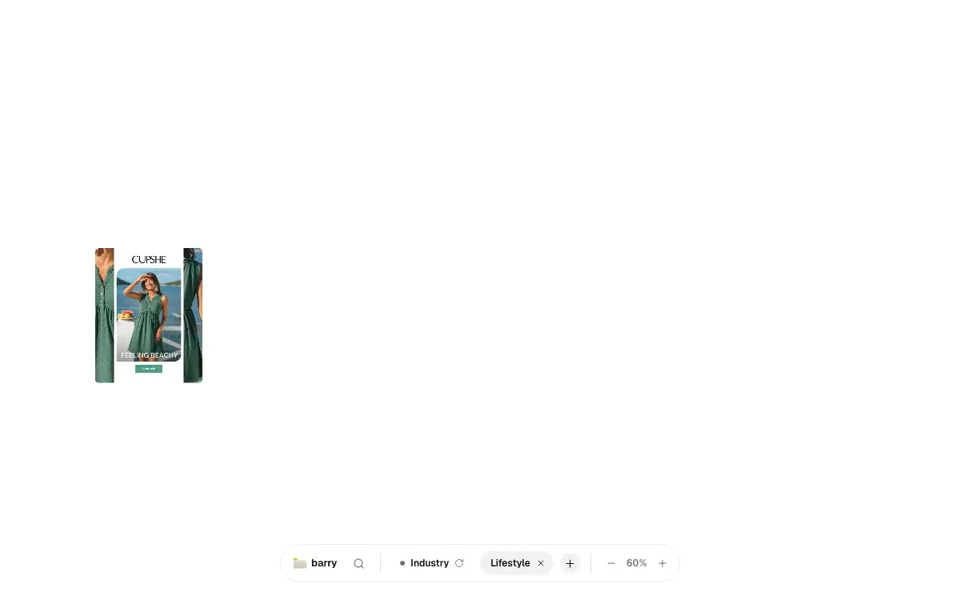
- Apply the retained Lifestyle format filter.
- Open the whole retained Cupshe image and inspect it.
- Close the viewer, hover the reference and press S to open the Save picker.
- Choose the practice board, reopen it through the finder and use Share.
- Carry the observation, limitations and next owner into the worksheet.
Take the handoff into your document
Start with the blank worksheet, or read the filled-in example to see how to use it. You can copy either one.
Questions about this workflow
Is a creative strategist a creative director?
The responsibilities can overlap, and one person may perform both. In this operating example the strategist owns the question and hypothesis. The creative lead owns the treatment and production acceptance. Titles alone do not define the split.
Where does the brand strategist fit?
The brand strategist supplies the intended promise, audience and voice constraints. The product owner verifies factual claims. The paid-creative strategist turns those inputs into this specific production and testing assignment.
Does a media buyer decide the concept?
They can contribute placement constraints, account evidence and experiment design. Assign final decision ownership with the team. This example gives the creative lead production acceptance and the buyer experiment readiness.
Sources and review scope
We read the official pages on October 14, 2026. Product capabilities are described by their publishers. We did not test vendor accounts, generated output, pricing terms or business results.