AI advertising: from ad research to a testable brief
Use AI to find useful references, prepare an original creative brief and plan how you will judge it. Keep the product facts and the decisions your team owns beside every assisted output.
What is AI advertising?
AI advertising means using AI to assist parts of advertising, from finding creative references and drafting assets to delivering campaigns and analyzing results. Those jobs need different inputs and checks. Start by naming the task you want help with, rather than expecting one tool to take the whole campaign from idea to result.
Our role is creative research: finding and organizing real ad references so you can make an original brief. A generation tool creates proposed assets. A delivery platform spends your budget according to its settings. A reporting workflow helps you examine what happened in your own account.
How we use AI for creative research
We use advanced AI models to analyze and categorize individual ad creatives, with a focus on visual accuracy. Our Infinity Board organizes references using creative-format labels, alongside brand and industry filters. Our visual search matches a description to visual content so you can explore relevant references.
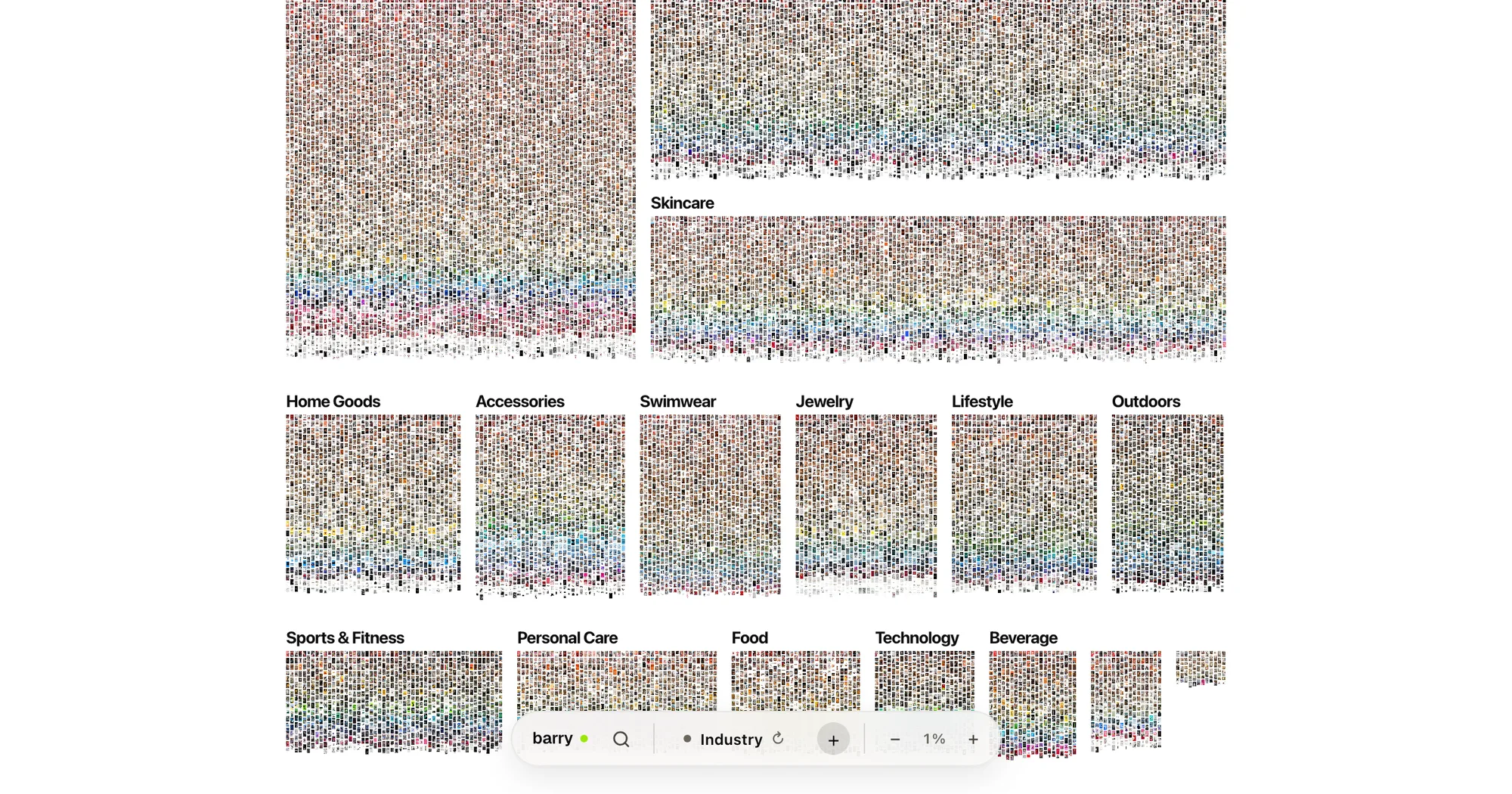
Use a format label to narrow the set, then inspect the actual creative. A label can be wrong. For video classification, our process samples still frames; this does not establish the complete sequence or spoken words. A visual match is a research lead, not evidence that an ad is effective.
You still decide what the ad means for your brief. We do not automatically identify its messaging theme or setting, transcribe its speech, generate your ads or report their performance. Keep your own interpretation and campaign data beside the reference.
Work from a real reference to an original brief
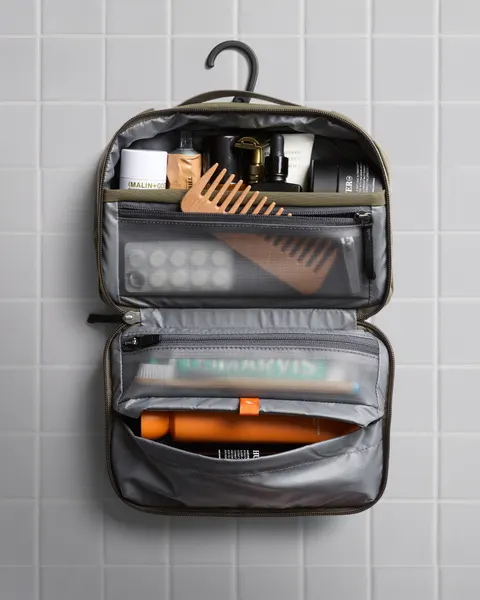
This retained Bellroy image lets you inspect an open bag and its internal arrangement. It provides a visual reference for a separate brief example for a pouch. It does not verify the advertiser’s results or give permission to reuse its assets.
- Visible evidence
- The reference shows an open bag with its internal arrangement visible. Record the source and the part of the image you are using.
- Our hypothesis
- For the product in our brief, a clear overhead arrangement might help explain where the items go. This is a proposed message, not a known customer belief.
- Original production
- Film our own sample. Place three verified items into separate compartments, then take one out. Keep the product and action readable throughout the shot.
- Review before launch
- Check fit and any copy against approved product facts. Confirm asset rights, brand requirements and who approves the final export.
If you use AI to draft copy or images, compare every proposed detail with your approved facts and real product. Reject invented features, unsupported benefits and a visually convincing object that changes what you sell. The reference helps explain an approach; the product and customer evidence determine what you can say.
Keep delivery and measurement in the plan
Google’s Performance Max documentation describes AI working with supplied assets, campaign settings and conversion goals across Google inventory. HubSpot describes Campaign Assistant as generating landing-page, email and ad copy. These illustrate different jobs in the workflow; we have not tested either account or verified their outcome claims.
Before launching your own test, define the audience, primary metric, spend limit, review window and decision rule. Check tracking and compare like-for-like reporting definitions. A generated variation is a hypothesis; its appearance alone cannot tell you whether it will outperform your current ad.
Write the next brief
Replace these brief example inputs with your own approved product, references and test plan. These notes stay in this tab; editing them does not call an AI service, connect an account or launch a campaign.
Write your own observations and production assignment. These notes stay in this tab. Refreshing removes your edits. Copy or download a file to keep them. We do not send these notes to a service.
The notes can be read and selected without JavaScript. Enable it to keep edits in this tab and use the copy and download buttons.
Questions about AI advertising
Can AI create the whole ad?
Some products offer asset generation. Evaluate the actual output against your product facts, rights and production requirements. Our research tools help you find references; they do not generate the finished ad.
Can an AI label tell me why a competitor ad works?
A format label can help organize what you inspect. It does not reveal the advertiser’s customer research, targeting or results. Write your interpretation as a hypothesis and test it with your own evidence.
What should I do first?
Choose one customer question, verify the product fact that answers it and find a few references that help explain the production choice. Then write the brief and decide how you will review the result.