Unboxing video: plan the reveal, contents and first use
Show what arrives and how it opens. Then get a clear view of the product and what someone needs to do first.
Compare an opened assortment with a packaging reveal
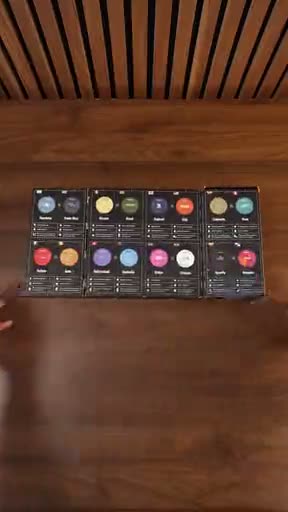
Arrange the contents so the viewer can read them
The short silent Cometeer snippet lays out the coffee assortment with a mug and tasting-bracket card. Notice how the contents can be seen together. We can't confirm from this view which supporting items came with the order.
What to look for: Can the viewer distinguish the product from supporting props?
Try this: Separate included contents from props and film the reveal in a readable order.
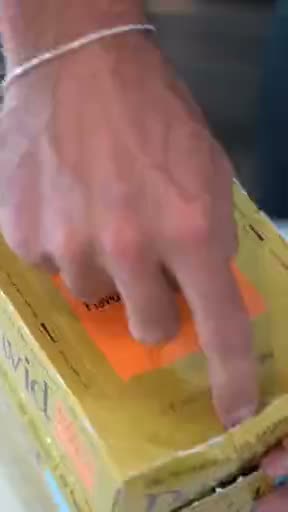
Move from carton to individual product
The short silent David snippet shows boxes, an opened carton and a product being unwrapped. Use those separate opening actions to plan your own reveal. The snippet doesn't establish a spontaneous first reaction.
What to look for: Which packaging layer needs its own complete action?
Try this: Capture each necessary opening without jumping over how the product is revealed.
An unboxing video shows what arrives and how the product is opened. Plan the order so someone can follow the reveal, see everything included and understand the first use. Keep first impressions separate from anything that needs longer testing.
Decide which question the opening should answer
Shopify describes unboxing videos as showing packaging, contents and first impressions during opening. Name the viewer’s question before filming: what comes in the order, how is it arranged or what setup is needed?
The answer changes the sequence. A gift-box opening might emphasize the first visible layer. A kit opening might emphasize the included parts and their relationship. If you show first use after opening the box, make that next step clear.
Map the reveal from closed package to complete contents
Write down the packaging layers in the order the viewer will meet them. Identify what should remain visible when a layer is removed and where each item will be placed. This prevents a common problem: the camera shows an appealing object while the rest of the order disappears outside the frame.
Cometeer gives the contents room to be seen together. David shows the carton and individual product being opened. Use those choices to plan your own reveal. The selected views don't show a complete unboxing or tell us whether a reaction was spontaneous.
Film the opening so the viewer can keep track
Start wide enough to show the package and workspace. Keep the hands and contents in frame as it opens. Move closer when a detail needs explaining, then return to a view that lets someone follow where each item goes.
If you need another angle, capture the complete action from a clear position first. Then film supporting details that can be inserted without changing the apparent contents or order of events. Do not reseal a box and present a rehearsed take as an untouched first reaction. A staged brand demonstration can be useful when presented honestly.
Show what is included and what is optional
Lay out the supplied items together before moving into details. Identify accessories, inserts or protective pieces that could otherwise be mistaken for part of the product. If something was added for filming or purchased separately, make that distinction clear when it affects what a buyer should expect.
For an assortment, give the viewer a readable view of the selection rather than passing every item rapidly through the lens. For a kit, connect the parts to the setup. By the end, the viewer should know exactly what comes in the box.
Use sound and words to add information
Packaging sound can make the action easy to follow, while narration can explain an unfamiliar component or a visible first impression. Neither needs to compete with the reveal. If opening noise obscures the explanation, move the line to a quieter moment and keep the action understandable.
A creator’s brand relationship also matters. FTC US guidance includes free or discounted products among material connections and says a video endorsement’s disclosure should appear in the video. Treat that as part of the communication plan, and keep any account of personal experience limited to what the speaker actually tried.
Separate the reveal from a review conclusion
Opening a cup can show its finish, included lid and immediate handling. It cannot establish how the finish wears over time or whether the lid stays sealed through repeated use. Label first impressions as first impressions, then give longer-term claims a separate testing or review assignment.
The same discipline helps the edit. You can shorten repetitive packaging removal while preserving the necessary sequence. Keep any edit from changing what appears to have arrived or making a later judgment look instantaneous. Review the complete cut for contents, continuity and accurate spoken statements.
Exercise: plan an opening that can be checked
Plan the cup shipment below from the closed parcel to all the contents laid out. Compare that plan with the footage. Can someone follow what was removed and see everything included? Add the missing contents shot before more close-ups.
After the contents are clear, choose one first-use action and one observation the presenter can honestly make. Write a separate question for something that requires later use. This gives the opening a useful conclusion while leaving longer-term questions open.
Use the worksheet
The completed example separates what we can see in the ads from our own plan. Use the blank worksheet for your product details, supporting sources and the people reviewing the work.
Start with the blank worksheet, or read the filled-in example to see how to use it. You can copy either one.