Weight-loss ad examples: read the claim in context
Read the exact promise in the ad and check what backs it up. A product image or personal story alone can't verify a weight-loss claim.
Keep the scope attached to the actual creative
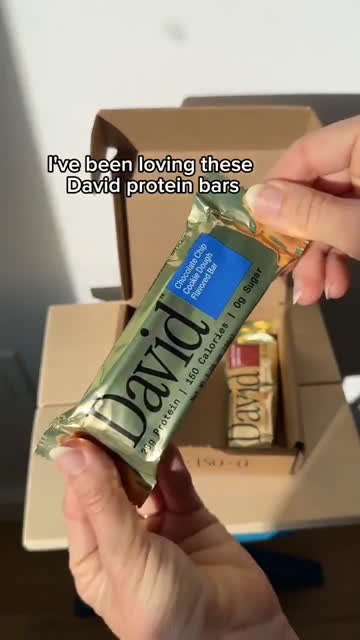
Product footage and fat-loss copy are separate evidence
The whole retained frame shows a David bar above an opened box. The associated advertiser body describes tools to “increase muscle and decrease fat.” The image establishes product depiction. It does not substantiate that physiological claim.
What to look for: Would the viewer connect the associated claim to what this frame actually proves?
Try this: Separate visible product information from a health or body-composition promise. Do not turn the advertiser’s claim into your own established fact.
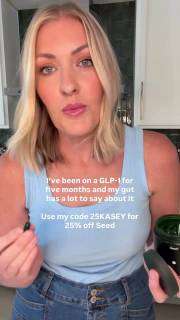
A personal GLP-1 context appears beside the product
The whole retained Seed poster shows a person holding the product and text saying they have been on a GLP-1 for 5 months, alongside a discount code. This is a GLP-1-context supplement reference, not proof of a weight-loss outcome or a reviewed full testimonial.
What to look for: Which words are an experience claim, which identify the product, and which form the offer?
Try this: Record each claim separately before adapting the layout. Keep a real speaker’s authorized experience and substantiation with the production brief.
Inspect weight-loss-related language in real nutrition and GLP-1-context creative, separating product depiction, advertiser claims and substantiation questions.
Keep the scope attached to the actual creative
We look at 2 kinds of copy here: fat-loss wording in a protein-bar ad and GLP-1 experience wording beside a supplement. The question is what each ad claims and what its image actually shows. The David body copy names a body-composition outcome. The retained Seed poster names GLP-1 experience. A product view or a person in the ad does not substantiate a health or weight-loss result.
Separate what is shown from what is promised
David shows the product, while the nearby copy makes a fat-loss claim. Seed pairs a person’s GLP-1 experience with a discount. Keep those separate when you take notes. A product view or first-person line won’t verify who the speaker is, a typical result, medical causality or whether a treatment suits someone.
Read the whole message before adapting it
A headline, photograph, product name and surrounding copy can create a combined impression. FTC health-products guidance asks advertisers to consider express and implied claims and the support they require. This guide does not certify these advertisers’ compliance or validate their statements. Avoid borrowing the claim merely because the visual structure is useful.
Put the exact claim and its evidence in the brief
Write the exact claim you want to make and what someone could reasonably take it to mean. Add the evidence, any required qualification and the person checking it. If you can’t support the promise, remove it. A general disclaimer won’t supply missing facts.
An original observation-only production exercise
Practice with a neutral product-identification task: show an approved product and explain where its factual information can be inspected. Do not manufacture a transformation, medical recommendation or personal result. The producer supplies original footage. The product or claims owner reviews the complete message, and the editor keeps any necessary qualifications. This exercise does not establish a health outcome or legal compliance.
Use the worksheet
The completed example separates what we can see in the ads from our own plan. Use the blank worksheet for your product details, supporting sources and the people reviewing the work.
Start with the blank worksheet, or read the filled-in example to see how to use it. You can copy either one.